As geopolitical tensions surrounding Somalia’s strategic location and maritime routes escalate, a humanitarian emergency is rapidly deteriorating within the nation. Amid competing global security and economic interests, millions of Somalis face a starkly different reality: persistent drought, severe food shortages, and the breakdown of essential healthcare services. The crisis has intensified due to a significant reduction in international aid funding precisely when the need has become most critical. Médecins Sans Frontières (MSF) has been addressing Somalia’s urgent needs for ten years, but these extensive gaps cannot be bridged by any single organization. These five crucial facts illuminate the current situation in Somalia.
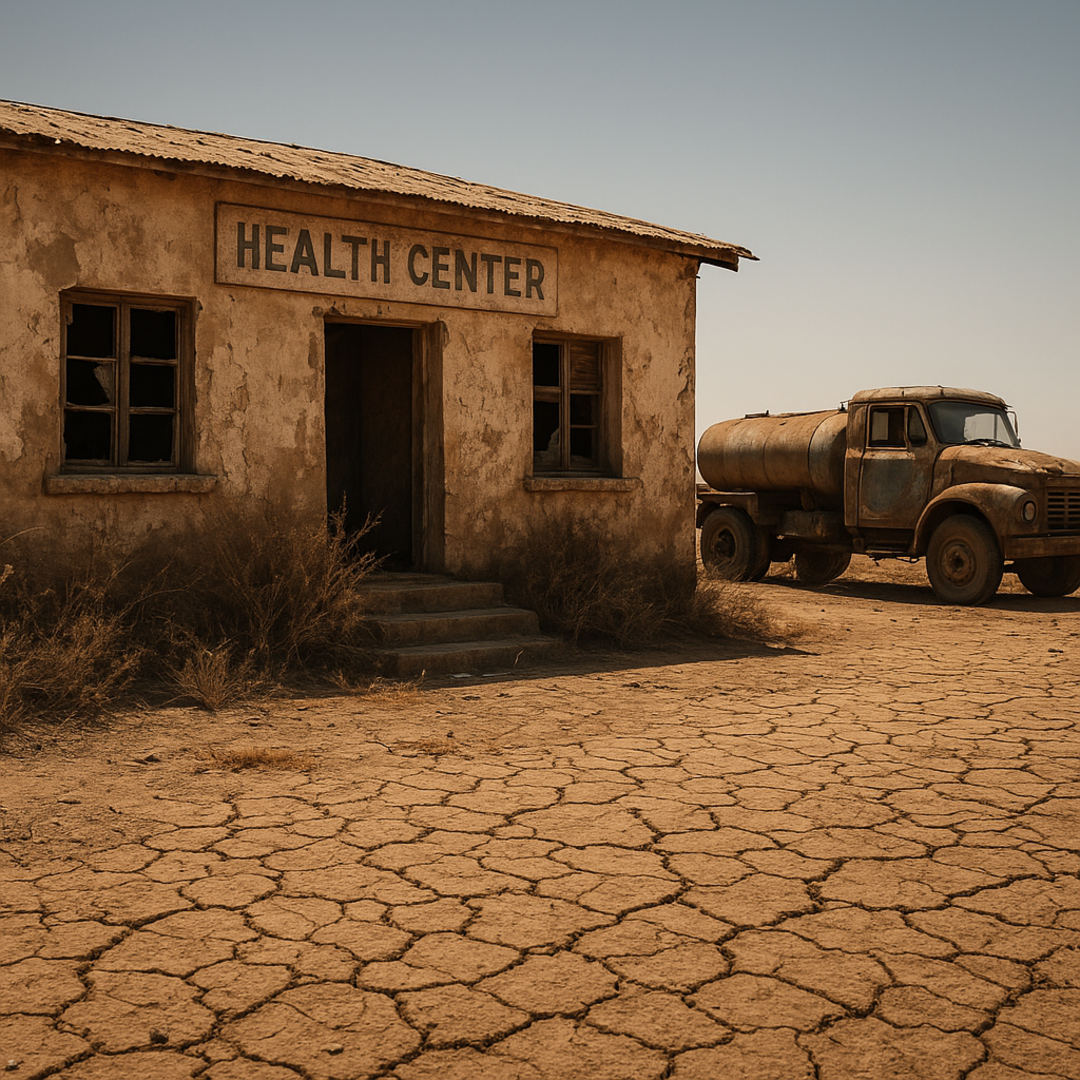
Drought is decimating livelihoods and compelling mass displacement. Consecutive unsuccessful rainy seasons and increasing temperaturesespecially in Puntland and Southwest Statehave depleted water sources and grazing lands, driving water costs to unprecedented levels. Households now depend on expensive water trucking services. Simultaneously, widespread livestock losses and declining agricultural yields have obliterated their main economic foundations. In response, numerous families have been forced to leave their residences. They are migrating to congested settlements near urban centers such as Baidoa and the broader Mudug territory in urgent pursuit of water sustenance, nutrition, and medical assistance.
Millions confront critical food shortages. During 2024, MSF medical staff provided treatment to 18,066 children for severe acute malnutrition throughout Somaliaa notable increase compared to the prior year. Following four consecutive unsuccessful rainy seasons, the United Nations projected that 4.4 million individuals would experience severe food insecurity by 2025. This figure encompassed 1.85 million children under five vulnerable to acute malnutrition, along with 421,000 children experiencing life-threatening severe acute malnutrition. At the same time, over 3.3 million people have been uprooted, placing immense pressure on scarce resources and fundamental services in receiving communities.
The humanitarian funding collapse is exacerbating the catastrophe. Somalia’s crisis stems not only from environmental or security factors but is catastrophically intensified by a sharp reduction in assistance funding. The current response strategy, intended to preserve millions of lives, has secured merely 20% of its financial target. Of the $1.42 billion required, only $288 million has been committed. This substantial deficit resulted in a 75% reduction of the plan, diminishing aid beneficiaries from six million to just 1.3 million. This reduction reflects no decrease in needs but rather the withdrawal of international backing. For countless Somalis, this translates to total exclusion from humanitarian assistance.
Healthcare and nutrition services face imminent collapse. With diminishing resources, medical establishments are progressively shutting down. Since early 2025, over 200 health and nutrition facilities have ceased operations across the country, directly affecting more than 1.7 million individuals. Malnutrition treatment centers decreased from 775 to 629 within a mere six-month period. The deteriorating situation is worsened by interrupted supply networks, creating prolonged shortages of vital materials such as therapeutic milk for critically undernourished children. Consequently, clinics are deprived of fundamental necessities, with children awaiting treatments that may never arrive. Meanwhile, preventable illnesses including measles, diphtheria, and acute watery diarrhea have increased significantly due to the failure of basic immunization and nutrition programs.
MSF’s intervention: A life-saving effort stretched to its limits. Amid these circumstances, MSF persists in delivering essential medical services in regions including Baidoa and Mudug, supporting healthcare institutions, managing malnutrition treatment centers, supplying emergency care, and utilizing mobile clinics to access isolated populations. Nevertheless, requirements are swiftly exceeding capabilities. MSF personnel have documented: · A marked escalation in severity, with inpatient therapeutic feeding center treatments increasing by 146%, despite stable overall admission rates. · A 32% increase in mortality rates among children under five with acute malnutrition in MSF-supported medical facilities. Regrettably, nearly half of these children perish within the initial forty-eight hours of clinic arrival, typically following grueling, multi-day quests for medical care. Allara Ali, MSF Project Coordinator in Somalia, describes the on-ground conditions: “We witness children reaching our hospitals in critical states, frequently after extended journeys without sustenance or hydration. The drought has not merely depleted water sources; it has dismantled the entire support structure families depend on. Our medical teams operate continuously to address severe malnutrition and measles and diphtheria outbreaks, yet the overwhelming magnitude of needs is testing our operational limits to the breaking point. Communities are exhausted, and without prompt water and healthcare access, additional lives will be claimed by completely preventable conditions.” From 13 December 2025 through 31 January 2026, MSF supplied 12,410,000 liters of potable water, yet requirements substantially surpass current response capabilities.
Immediate action requirements: Somalia’s circumstances are not an unavoidable tragedy. Although drought and insecurity contribute to the emergency, it is the substantial reduction in financial backing that has transformed it into a lethal catastrophe. The Somali crisis persists because global attention has been deliberately diverted.