


In 2025, the Somalia Health Cluster maintained its critical function in coordinating humanitarian health emergency responses amid a complex and prolonged crisis characterized by conflict, climate shocks, disease outbreaks, and a fragile health system. Under the leadership of the World Health Organization as the Cluster Lead Agency and co-led by Save the Children International, the cluster concentrated on essential functions of enhancing coordination at national and state levels, expanding service coverage, response monitoring, advocacy, and improving accountability to affected populations. The cluster emphasized timely, principle-based, and needs-driven health interventions, with special attention to priority districts and vulnerable populations including internally displaced persons, returnees, and host communities. Despite considerable operational and funding limitations, the Health Cluster accomplished significant advancements across its fundamental pillars, encompassing service delivery, coordination, strategic planning, information management, and advocacy. Partners showed remarkable resilience, sustaining a committed response to simultaneous emergencies such as disease outbreaks and the humanitarian challenges resulting from prolonged drought and displacement. Coordination mechanisms were strengthened across all response levels by optimizing monthly cluster meetings, engagements, and ad-hoc consultation sessions. This extended support involved partnerships with the Mental Health and Psychosocial Support (MHPSS) and Sexual and Reproductive Health (SRH) technical working group leads, ensuring improved alignment of specialized health services with the wider humanitarian response. Response monitoring and information management were improved through 4Ws mapping, supported health facility tracking, and close cooperation with WHO and Federal Ministry of Health (FMOH) regarding vaccination and disease surveillance data. Sustained collaboration with other clusters, especially WASH and Nutrition, remained vital to guarantee integrated responses and address multi-sectoral health risks. Despite persistent operational challenges and funding shortfalls, health cluster partners in Somalia have continued delivering essential health services to meet the population’s needs.

Collaborating for a healthier planet. Learn more about how you can contribute to a climate-resilient Somalia

Have Ideas?
Lets Collaborate
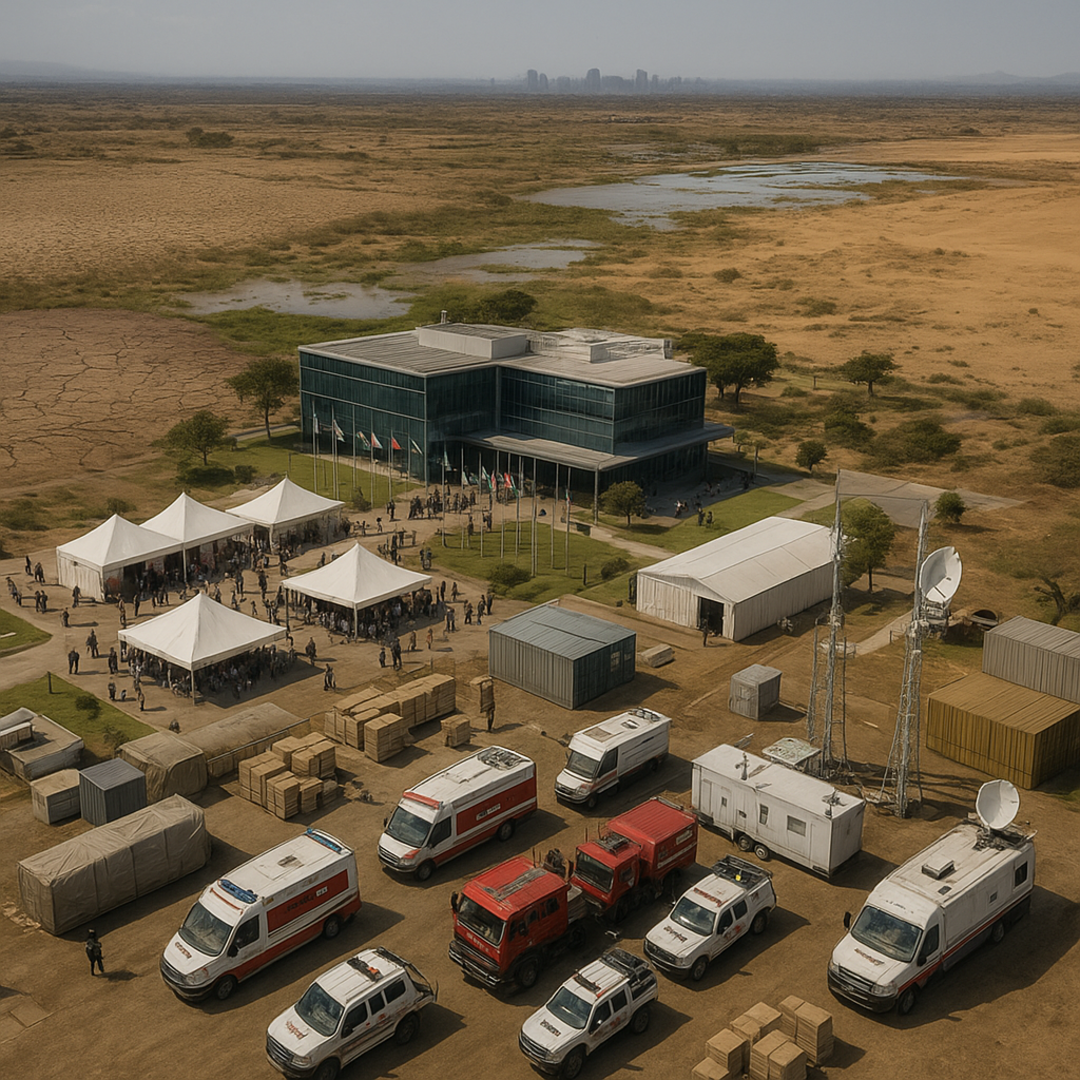


Denounce with righteous indignation and dislike men who are beguiled and demoralized by the charms pleasure moment so blinded desire that they cannot foresee the pain and trouble.
Read More