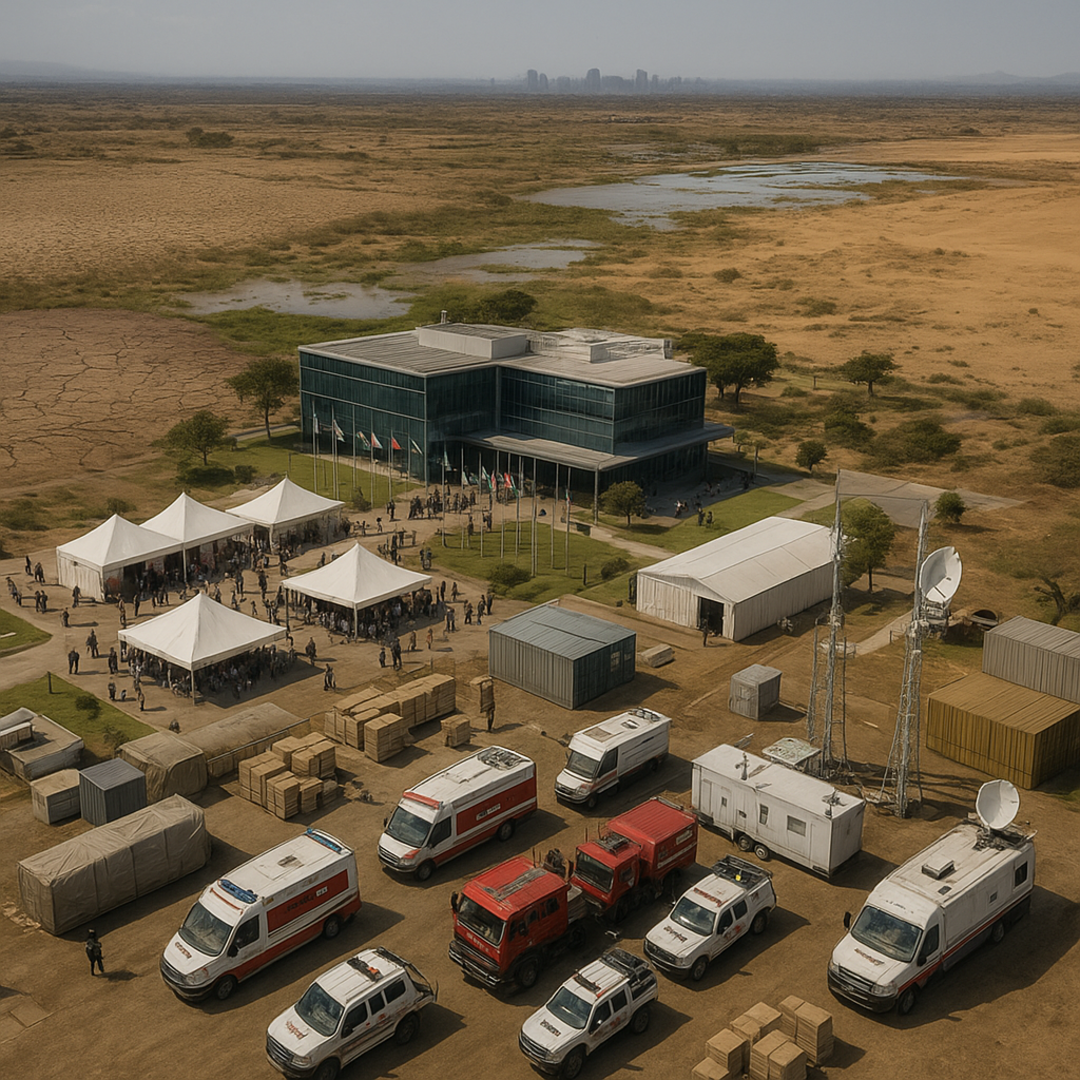
MOGADISHU – Somalia’s Ministry of Environment and Climate Change celebrated World Environment Day with an official event that united government officials, academic institutions, civil society organizations, youth groups, women, persons with disabilities, and community representatives, demonstrating a collective dedication to environmental protection and climate action.
The ceremony commenced with remarks from the Ministry’s Director General, Abdirizak Ahmed Ali, who greeted attendees and characterized World Environment Day as a significant national occasion to reaffirm commitments to preserving natural resources and increasing understanding of the escalating consequences of climate change.
He observed that the event demonstrates the cohesion of Somali society in pursuing a common objective of developing a more environmentally friendly and sustainable future, stressing that environmental preservation has evolved from an option to an imperative for ensuring the welfare of current and future generations.
Academic leaders addressed the gathering, including Professor Dr. Mohamed Mohamoud Hassan “Biday,” Rector and President of Benadir University, who emphasized the crucial function of universities in tackling environmental difficulties through research, knowledge creation, innovation, and cultivation of competent professionals able to implement sustainable approaches.
Mahad Abdi Farah Barawé, Director of Water, Environment and Climate Change Affairs for the Banadir Regional Administration, emphasized the significance of enhancing collaborations between governmental bodies and local communities in afforestation efforts, environmental education, and sanitation programs, stating that climate-resistant urban areas can only be constructed through extensive community engagement.
Addressing the gathering, Member of the Federal Parliament and the President’s Special Envoy for Health Affairs, Abdirahman Mohamed Sheikh, highlighted the strong connection between environmental preservation and public health, cautioning that environmental deterioration and climate change have immediate effects on human welfare and availability of vital services.
On behalf of the Federal Member States, Dahir Mohamed, Director of Environment and Climate Change for Galmudug State, reported that regional governments persist with grassroots initiatives and educational campaigns focused on environmental conservation, increasing vegetated areas, and motivating public involvement in climate initiatives.
The gathering offered an opportunity for youth perspectives, with Iqra Dahir Adan representing Somali children. She stressed that climate change impacts children’s learning, health, and future opportunities, advocating for increased involvement of younger generations in environmental education and sustainability programs.
In addition, Hafsa Omar Abdullahi, Director of the Environment Department at the Ministry, declared that climate action and environmental preservation continue as foremost priorities for the Ministry, noting the increasing involvement of Somali communities in conservation endeavors.
The event concluded with closing remarks from the State Minister for Environment and Climate Change, Ahmed Mohamed Omar, who praised the extensive representation from various societal segments and stressed that environmental protection constitutes a collective duty demanding ongoing collaboration among governmental bodies, development partners, and local communities.
Attendees concluded the occasion by reasserting their dedication to backing nationwide efforts targeting climate change mitigation and encouraging the sustainable stewardship of natural resources to establish a more secure and adaptable future for descendants.
This year’s World Environment Day celebration occurs as Somalia confronts escalating environmental and climate challenges, including prolonged dry periods, inundations, soil deterioration, and reduction of plant coverage. The event functions as a significant venue for organizing unified action and enhancing public understanding of the essential part environmental protection fulfills in sustainable advancement, food stability, public health, and enduring adaptability.