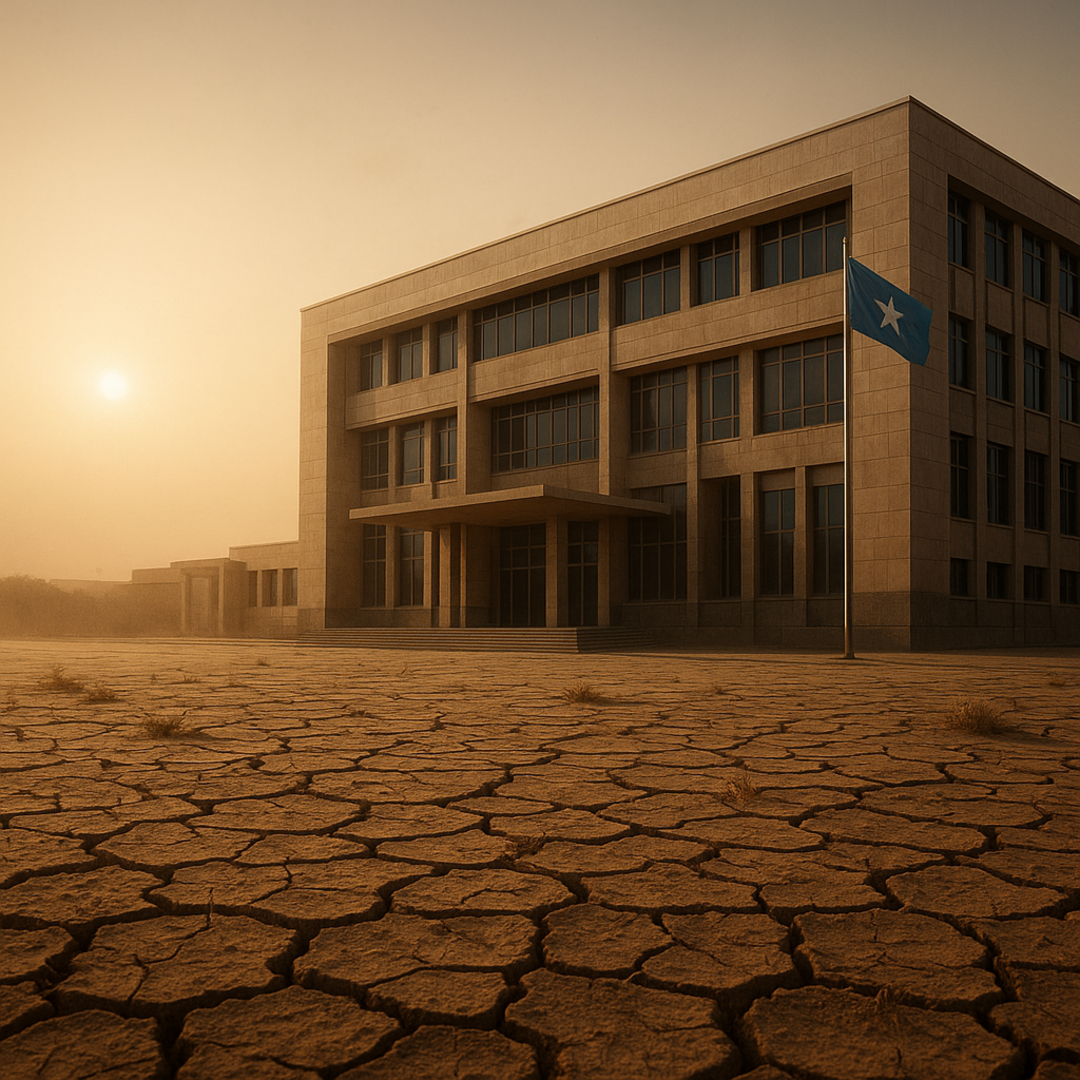
The humanitarian landscape in Somalia is critically declining after the unsuccessful 2025 deyr rains and the emergence of drought conditions. Approximately 6.5 million individuals are currently experiencing Crisis or worse acute food insecurity levels (Integrated Food Security Phase Classification [IPC] Phase 3 or higher), with 2 million in Emergency situations (IPC Phase 4).
Rural farming and pastoral populations represent the most vulnerable groups, confronting substantial livestock mortality, crop devastation and water scarcity. In pastoral regions, prior progress in pasture quality has reversed as minimal precipitation and exceptionally high temperatures have parched soil and grazing areas. Water sources have diminished, grazing lands are exhausted, and livestock conditions are rapidly declining, severely damaging livestock productivity, milk output, household nutrition and revenue. In numerous regions, community adaptation strategies have been depleted. River-based livelihoods are also impacted, with significant declines observed along both major river systems – the Juba and Shabelle – undermining farming families’ abilities to maintain essential agricultural activities.
These cumulative drought consequences are intensifying food insecurity, malnutrition and population displacement, thereby amplifying humanitarian requirements among already susceptible communities with limited adaptation and recovery capacities. Although the 2026 gu season might offer localized relief in certain areas, recovery is not expected to be immediate due to the compounded effects of extensive land deterioration, water resource depletion, widespread agricultural failures and weakened livestock physical conditions.