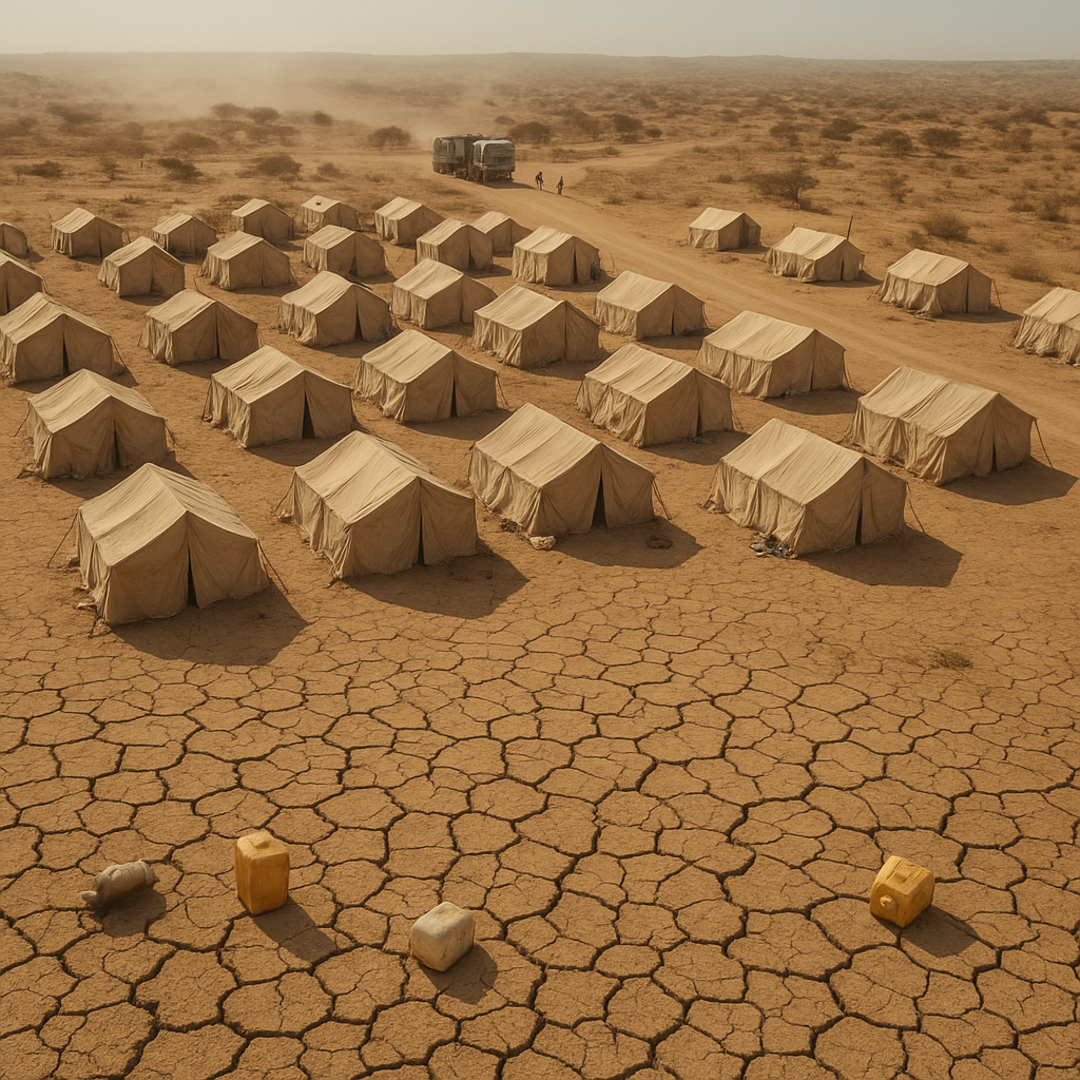
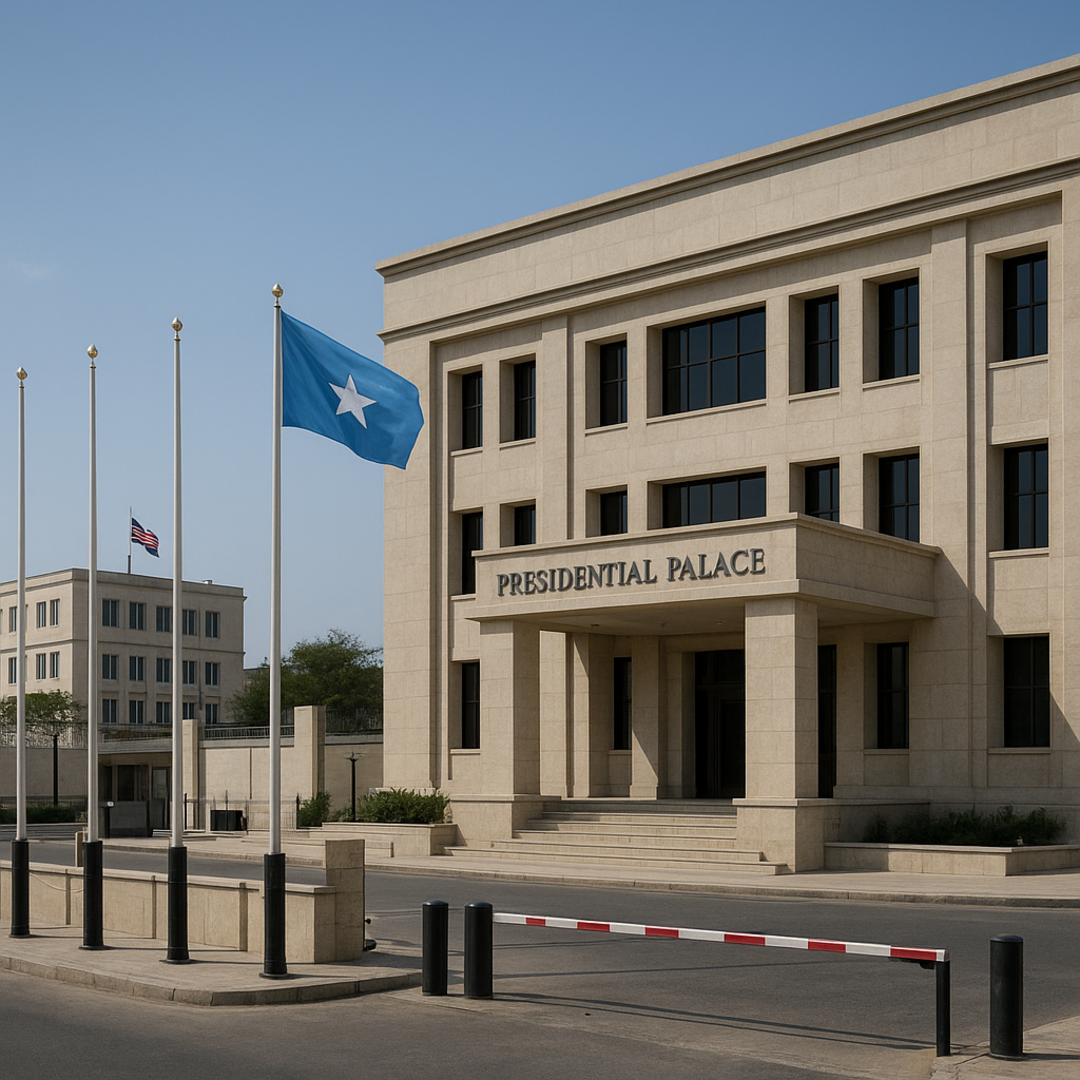
The European Union has committed €63 million (Sh9.7 billion) in humanitarian assistance to Somalia, addressing hunger, malnutrition, and displacement as 6.5 million people confront food insecurity due to conflict and drought. This funding aims to support the most vulnerable communities impacted by prolonged conflict and displacement, exacerbated by deteriorating drought conditions and increasing food prices.
According to a Thursday press statement, the funding will prioritize life-saving, integrated health and nutrition services, including treatment for severe and acute malnutrition, emergency cash assistance, water and sanitation services, protection, and emergency education. The assistance will be channeled through trusted EU humanitarian partners operating on the ground, ensuring aid reaches those most affected in a timely, inclusive and effective manner.
At least 6.5 million people, approximately one in three Somalis, are currently experiencing hunger, with an estimated 1.85 million children under five at risk of acute malnutrition.
The announcement occurs as donor funding declines, significantly constraining Somalia’s humanitarian response. To further coordinate the emergency response to the growing food crisis, the EU is participating at the Global Leadership Roundtable following Somalia’s activation of its ‘Food Security Crisis Preparedness Plan.’ Combined with this new funding, the EU has provided over €750 million in humanitarian aid to Somalia since 2017, according to the statement.
According to the United Nations, Somalia’s humanitarian situation remains among the most complex globally, driven by recurring internal conflict and climate-related shocks that fuel displacement and erode development gains.
The worst-affected areas include the central regions of Galgaduud and Mudug. According to authorities and humanitarian partners, nearly half a million people have abandoned their homes since September of last year. Families are relocating in search of water, pasture for their livestock, and food, placing additional pressure on already overcrowded displacement sites, as noted by the United Nations Office for the Coordination of Humanitarian Affairs.