Mogadishu, Somalia – The harsh edge of a changing climate is once again forcing Somalia to re-evaluate its priorities, with new humanitarian assessments pointing to a worsening drought and shrinking lifelines for millions already on the brink. The latest monthly update for September and October paints a sobering picture of a country squeezed between relentless weather extremes and dwindling international support.
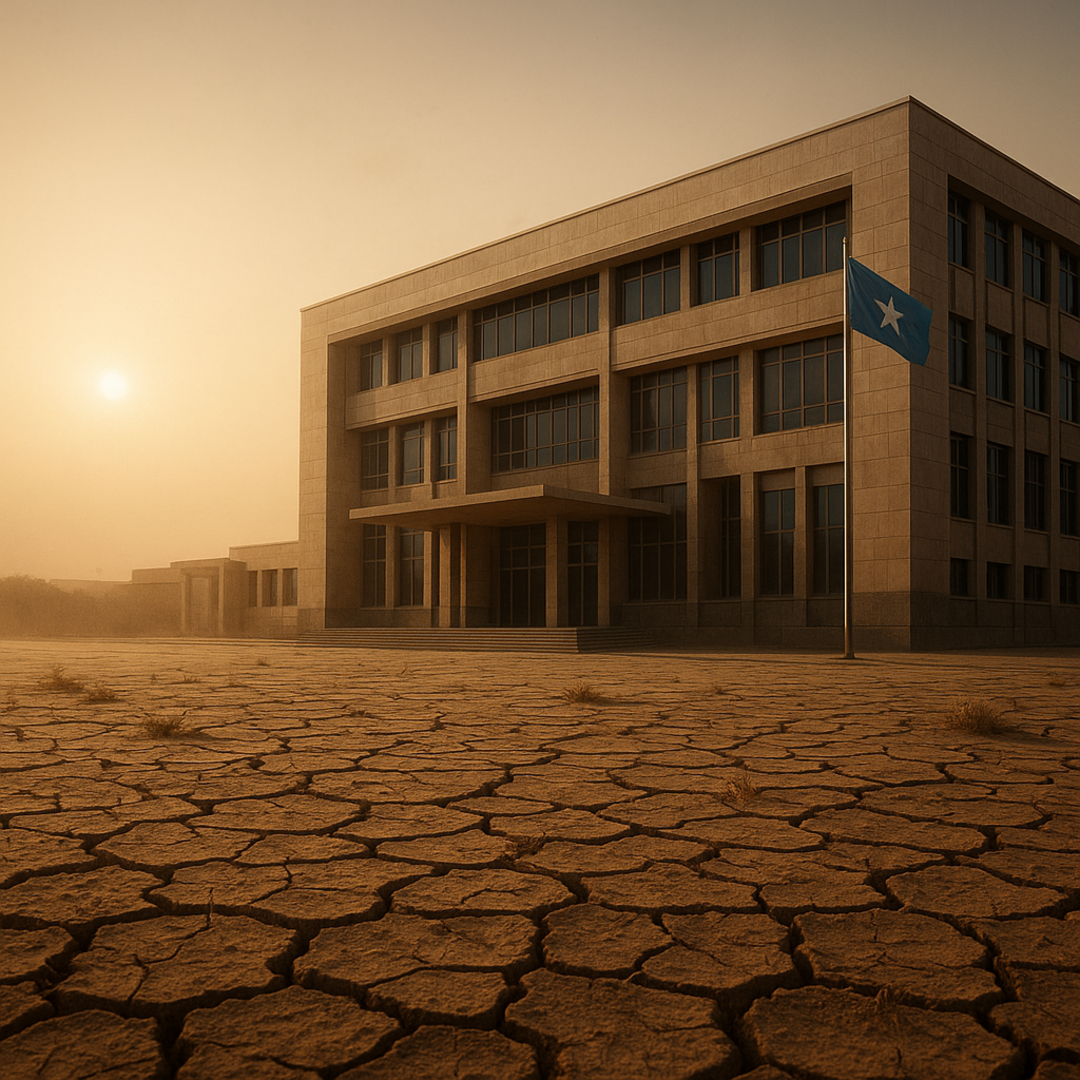
Across vast stretches of the country, parched landscapes are re-emerging just months after communities hoped they had escaped the worst of the dry season. Pastures are thinning out, water sources are fading, and families who rely on daily labour or livestock are finding themselves pushed into impossible choices. In rural villages, the signs are unmistakable—animals growing weaker, migration routes lengthening, and households rationing even the smallest amounts of food.
The humanitarian situation has become even more fragile with a sharp fall in food assistance. Somalia, which received help for more than 1.1 million people earlier this year, is now seeing that number collapse to just about 350,000 in November as funding gaps widen. Field workers warn that this dramatic reduction is already placing additional pressure on displaced families and isolated communities that depend almost entirely on this support to survive lean months.
The UN’s Office for the Coordination of Humanitarian Affairs (OCHA) Somalia’s latest figures underline the scale of the crisis. An estimated 7.5 million people across 64 districts have been affected by climate-driven shocks—droughts, floods, and erratic rainfall patterns that erode livelihoods and uproot communities time and again. This cycle of instability has made recovery nearly impossible for many families who have endured consecutive years of hardship.
Despite the challenges, humanitarian partners have begun planning for the 2026 response, hoping to secure more predictable resources and better anticipate the needs of communities confronting climate volatility. The early planning reflects hard lessons learned in recent years: without sustained investment, early warnings and seasonal forecasts do little to prevent disaster on the ground.
For Somalis living through the daily realities of climate change, the numbers in the report translate into empty fields, disrupted markets, and long walks in search of water. The scale of need continues to rise, even as the capacity to respond shrinks, leaving millions waiting for relief that may arrive too late.