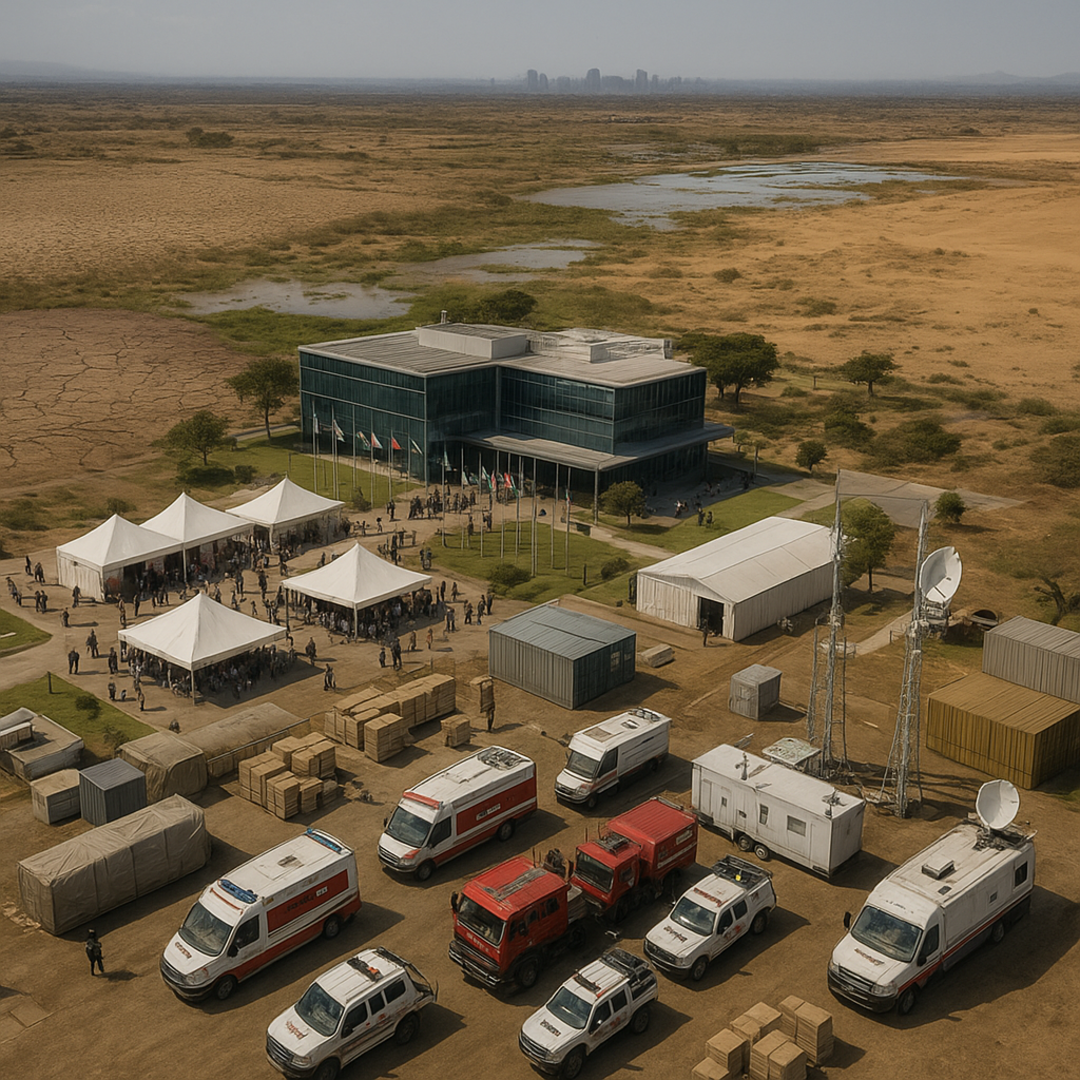
Somalia grappled with an extended and multifaceted humanitarian emergency throughout 2025, stemming from climatic adversities, armed conflicts, population displacements, health crises, and critical funding deficiencies. These compounding circumstances markedly amplified humanitarian requirements nationwide, especially in areas vulnerable to drought and displacement. Humanitarian evaluations indicated that around 5.9 million individuals needed aid in 2025, with the Somalia Humanitarian Needs and Response Plan (HNRP) aiming to provide lifesaving support to 4.6 million people, necessitating approximately US$1.42 billion to address pressing needs. Nevertheless, 2025 witnessed a significant disruption to humanitarian aid efforts due to abrupt cuts and reductions in funding, primarily from the United States Agency for International Development (USAID), traditionally Somalia’s most substantial benefactor, leading to immediate and detrimental effects on vital humanitarian services nationwide, affecting initiatives in healthcare, nutrition, food security,
Food deprivation persisted as one of the most critical challenges. Persistent drought conditions, insufficient rainfall, escalating food costs, and continuous armed conflicts resulted in approximately 4.4 million people experiencing severe food insecurity by December 2025. Concurrently, about 1.85 million children were expected to endure acute malnutrition, with hundreds of thousands requiring immediate intervention for severe malnutrition. Climatic adversities continued to worsen existing vulnerabilities. Northern territories confronted prolonged arid conditions attributed to substantially deficient rainfall, intensifying water scarcity and diminishing crop yields and livestock viability. These environmental pressures, coupled with expensive food commodities and restricted economic prospects, expanded the number of households unable to satisfy fundamental necessities. Population displacement remained a substantial humanitarian issue. An estimated 3.5 million individuals were internally displaced throughout Somalia, compelled by armed conflicts, droughts, and floods. Numerous displaced households resided in congested camps with inadequate access to clean water, sanitation, healthcare, and educational facilities, heightening protection threats for female and juvenile populations. Simultaneously, financial limitations severely impacted humanitarian activities. By the conclusion of 2025, the humanitarian response strategy remained underfunded, compelling organizations to diminish aid provisions. In certain instances, food support was substantially curtailed, leaving substantial segments of vulnerable populations without assistance precisely when requirements were intensifying.
Notwithstanding these obstacles, humanitarian entitiescomprising national nongovernmental organizations, international bodies, and UN agenciespersisted in providing critical aid across multiple sectors including food provisions, nutrition, healthcare, water, sanitation, hygiene, protection, and education. Nevertheless, consistent and adaptable financing remains imperative to forestall further decline of the humanitarian landscape and to fortify resilience among at-risk populations. Collectively, Somalia’s humanitarian context in 2025 highlighted the immediate requirement for enhanced humanitarian interventions, climate-adaptive programming, and community-driven approaches to tackle the nation’s enduring and dynamic humanitarian difficulties.