Mogadishu, Somalia – The Federal Government of Somalia has declared a national state of emergency in response to worsening drought conditions, underscoring the country’s escalating struggle against the devastating impacts of climate change.
In a joint announcement with the Federal Member States, the government warned that the forthcoming Deyr (Autumn) rains could bring not relief, but new risks—ranging from flash floods to disease outbreaks—exacerbating an already fragile humanitarian situation. Officials emphasized that millions are at risk of hunger and displacement unless urgent and coordinated action is taken.
According to projections, an estimated 4.4 million Somalis could face acute food insecurity between October and December 2025. Years of erratic rainfall, extended dry spells, and the cumulative toll of previous droughts have eroded coping capacities in rural communities, leaving families unable to recover between climate shocks.
The government appealed to local and international partners to scale up immediate assistance, particularly in health care, clean water access, and food distribution. It also urged institutions to prioritize long-term resilience measures—such as sustainable water management, climate-smart agriculture, and reforestation programs—to confront the structural roots of the crisis.
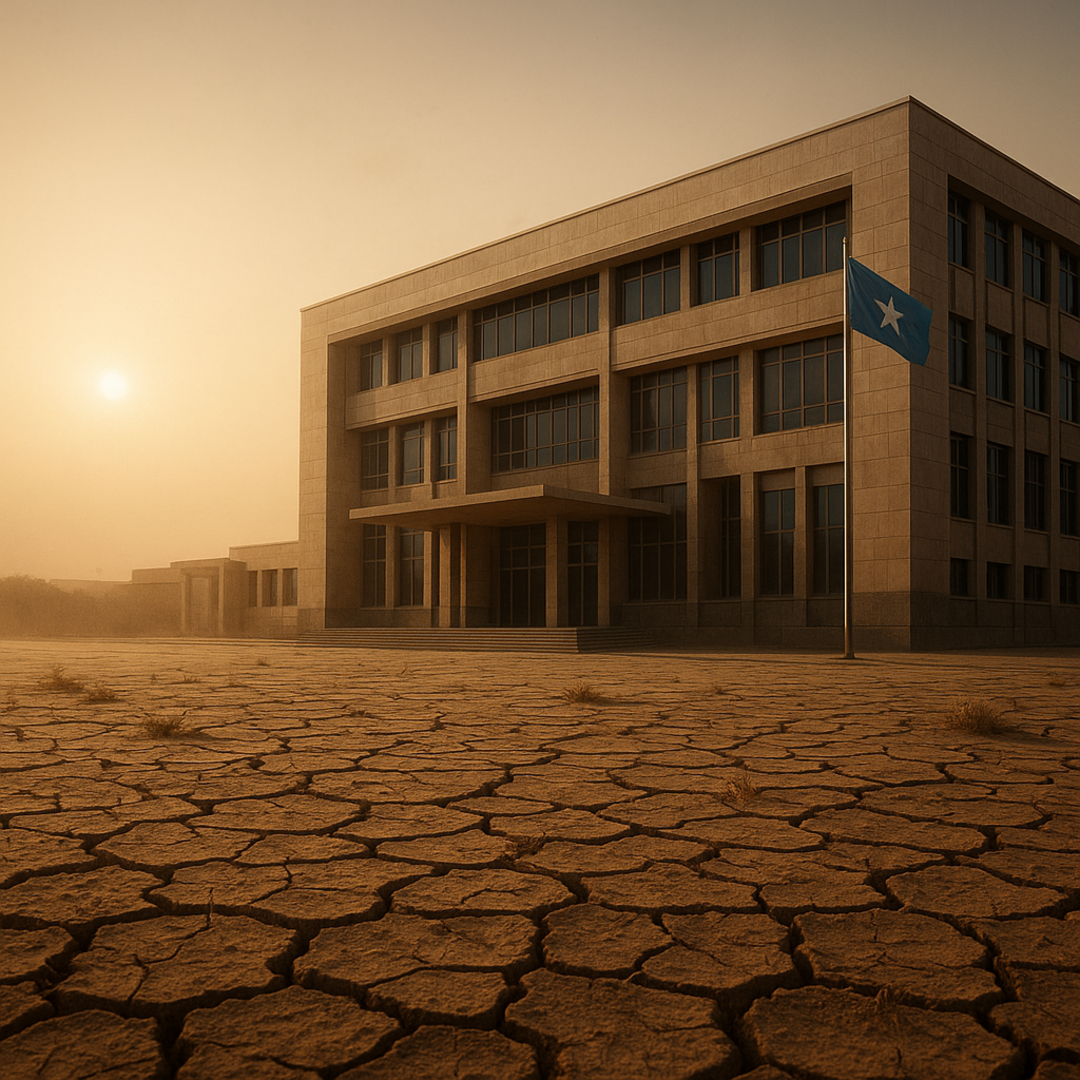
For millions across Somalia, the declaration serves as both a warning and a plea. In villages where the earth has cracked and wells have run dry, people are watching their livelihoods disappear with each failed harvest. Livestock deaths, malnutrition, and migration have become defining features of life in the country’s arid heartlands, where the rhythm of the seasons now brings more uncertainty than hope.
The state of emergency aims to rally national and global solidarity around a crisis that is no longer cyclical but chronic. As Somalia stands on the frontline of climate change, its government insists that urgent humanitarian support must go hand in hand with long-term climate adaptation, to give its people a chance not just to survive, but to rebuild their resilience in a changing world.