Key Findings
Revised forecasts suggest enhanced rainfall possibilities in certain regions of southern, central, and northern Somalia, though below-average precipitation remains a concern in specific areas of Bari, Bay, and Woqooyi Galbeed, with significant regional variations
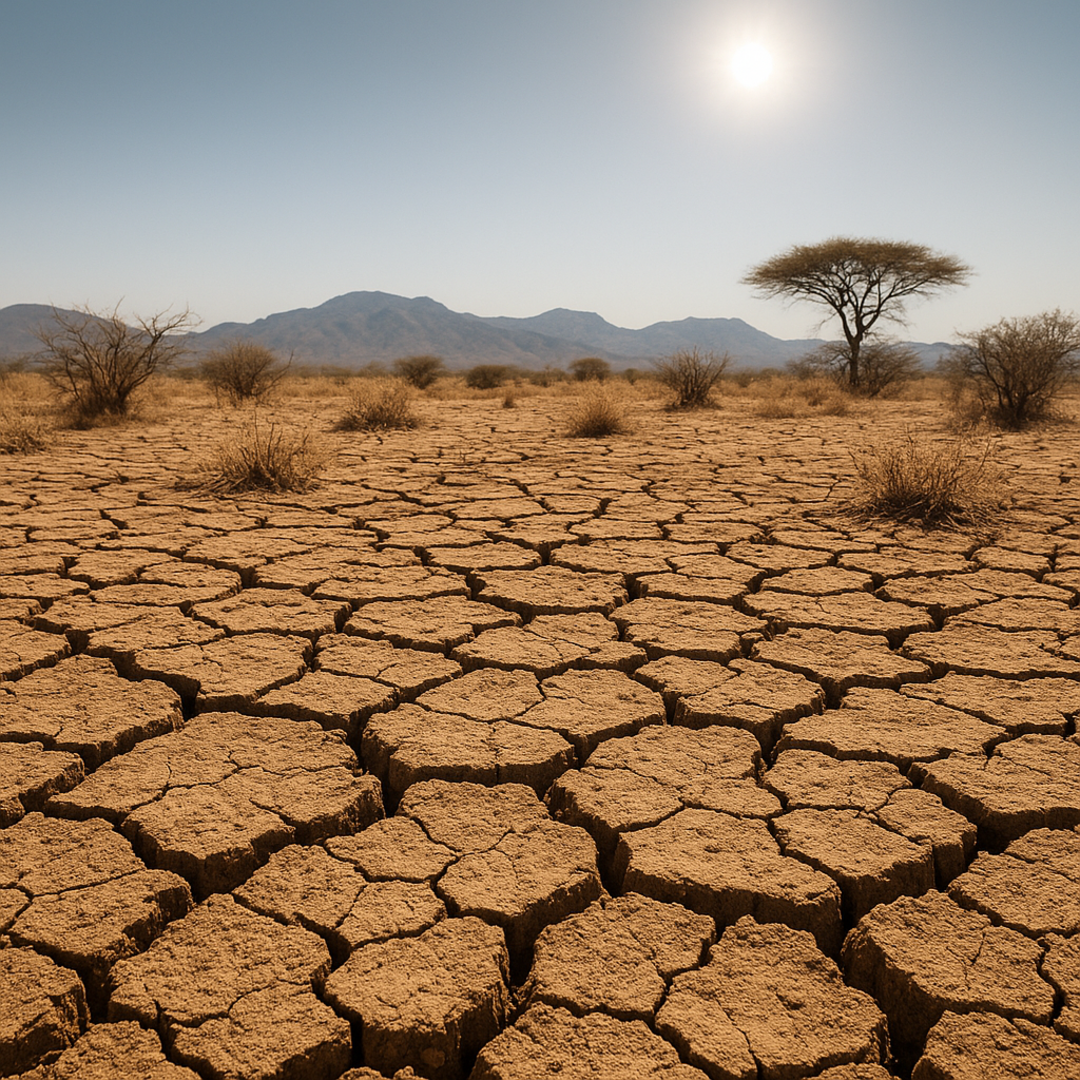
Above-average temperatures are predicted nationwide; however, normal to cooler temperatures are anticipated in Gebiley district, southern Hargeisa (Woqooyi Galbeed), portions of Owdweyne (Togdheer), and elevated central regions of Ceerigaabo (Sanaag). Although elevated temperatures will exacerbate drought effects throughout the country, these localized cooler areas may reduce evapotranspiration and alleviate drought conditions in those mountainous zones
Recent assessments of food security indicate a significant decline in household welfare during February and March 2026, stemming from prolonged drought effects, water scarcity, livestock mortality, and diminished resilience mechanisms
Even with near-average Gu rainfall (April–June), only modest improvements are expected, suggesting that increased precipitation may not lead to substantial recovery
The Gu 2026 period should consequently be viewed as a period of stabilization rather than recovery, necessitating continued drought interventions, adaptive preparedness measures, and vigilant oversight


Comments Off on Somalia Gu 2026 Climate Outlook: March 2026 SWALIM Update
Posted By
SCC WG


Collaborating for a healthier planet. Learn more about how you can contribute to a climate-resilient Somalia

Have Ideas?
Lets Collaborate

Denounce with righteous indignation and dislike men who are beguiled and demoralized by the charms pleasure moment so blinded desire that they cannot foresee the pain and trouble.
Read More