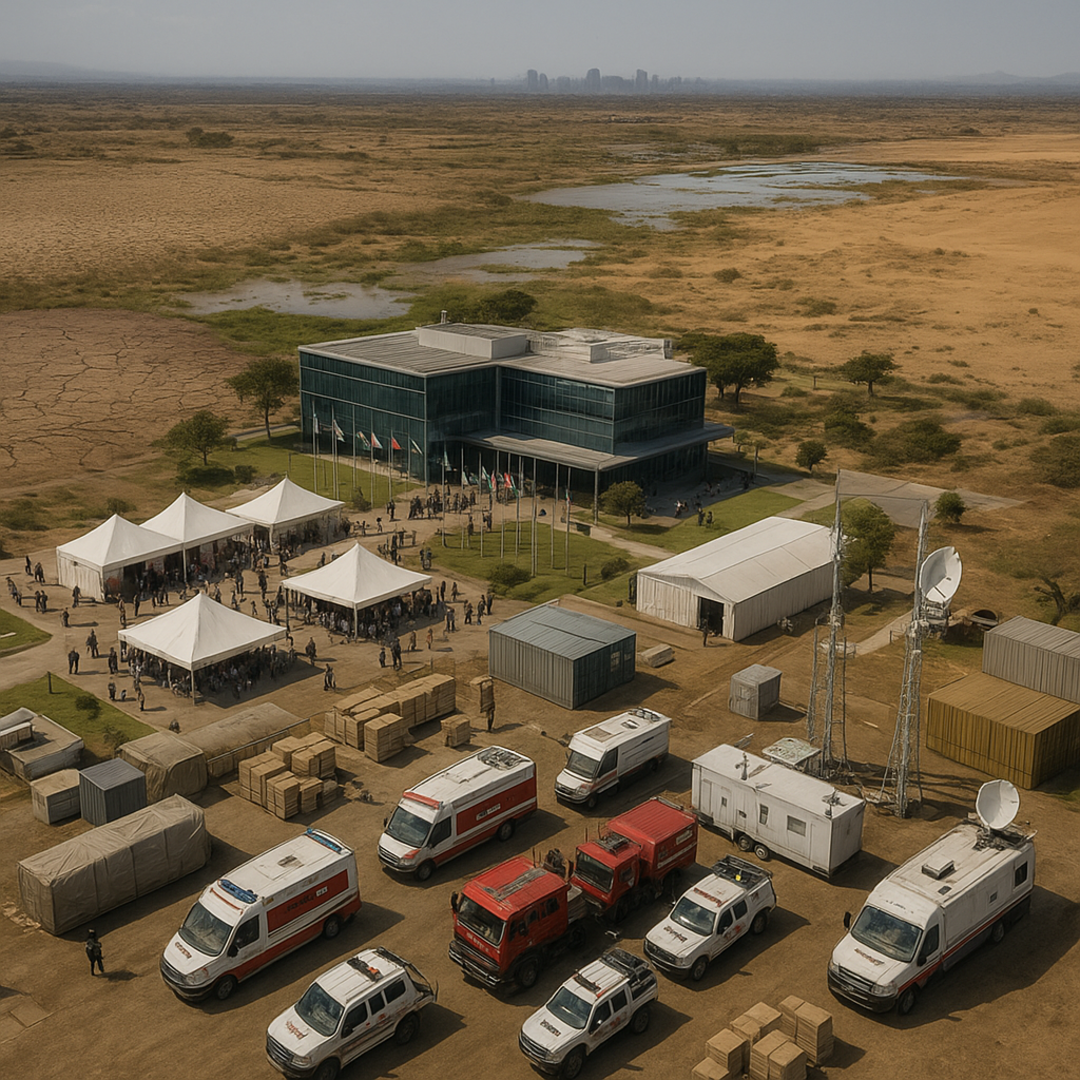
MOGADISHU – The Somali capital hosted a humanitarian and healthcare initiative dedicated to eliminating obstetric fistula, led by the Federal Ministry of Health and Human Services to enhance clinical emergency response and deliver structural assistance to vulnerable affected women.
According to an official statement, Federal Minister of Health and Human Services H.E. Dr. Ali Haji Adam chaired the official event marking the International Day to End Obstetric Fistula.
The notable event attracted significant participation, including State Minister for Health Dr. Maryama Mohamed Hussein, Deputy Minister of Youth Dahabo Susow, federal lawmakers, and international health development partners.
The interactive symposium concentrated on enhancing community awareness about the serious dangers of prolonged, obstructed labor, while promoting the use of skilled institutional maternal care during pregnancy and childbirth.
Clinical experts and leading officials described obstetric fistula as a profound physical and psychological injury resulting from inadequate medical intervention, with many rural women continuing to experience these difficulties.
The event included strategic recommendations to hasten the development of modern maternal and child healthcare facilities in remote areas, along with expanding professional midwife training to systematically reduce national injury rates.
The Ministry reiterated its ongoing dedication to modernizing local clinical infrastructure and enhancing structural collaboration with global agencies to establish a sustainable preventive network protecting reproductive rights throughout the country.
The gathering concluded with a pressing humanitarian appeal to unite institutional and community efforts to eliminate maternal suffering, rehabilitate affected individuals, and create a national framework targeting a completely fistula-free nation by 2030.
The Somali Ministry of Health’s proactive approach to addressing obstetric fistula represents a significant humanitarian achievement in restoring social and clinical justice to the country’s most vulnerable women. This debilitating condition, primarily caused by prolonged delivery and insufficient medical access, extends beyond basic pathology to become a complex social issue resulting in marginalization and severe isolation. The prominent ministerial support for this global day demonstrates an institutional evolution from reactive emergency care to proactive, long-term prevention through the expansion of professional midwifery networks and rural hospital infrastructure. Ultimately, protecting maternal health in Somalia is fundamental to rebuilding national human capital; a healthy mother serves as the central pillar for family stability and sustainable socioeconomic development in the Horn of Africa.