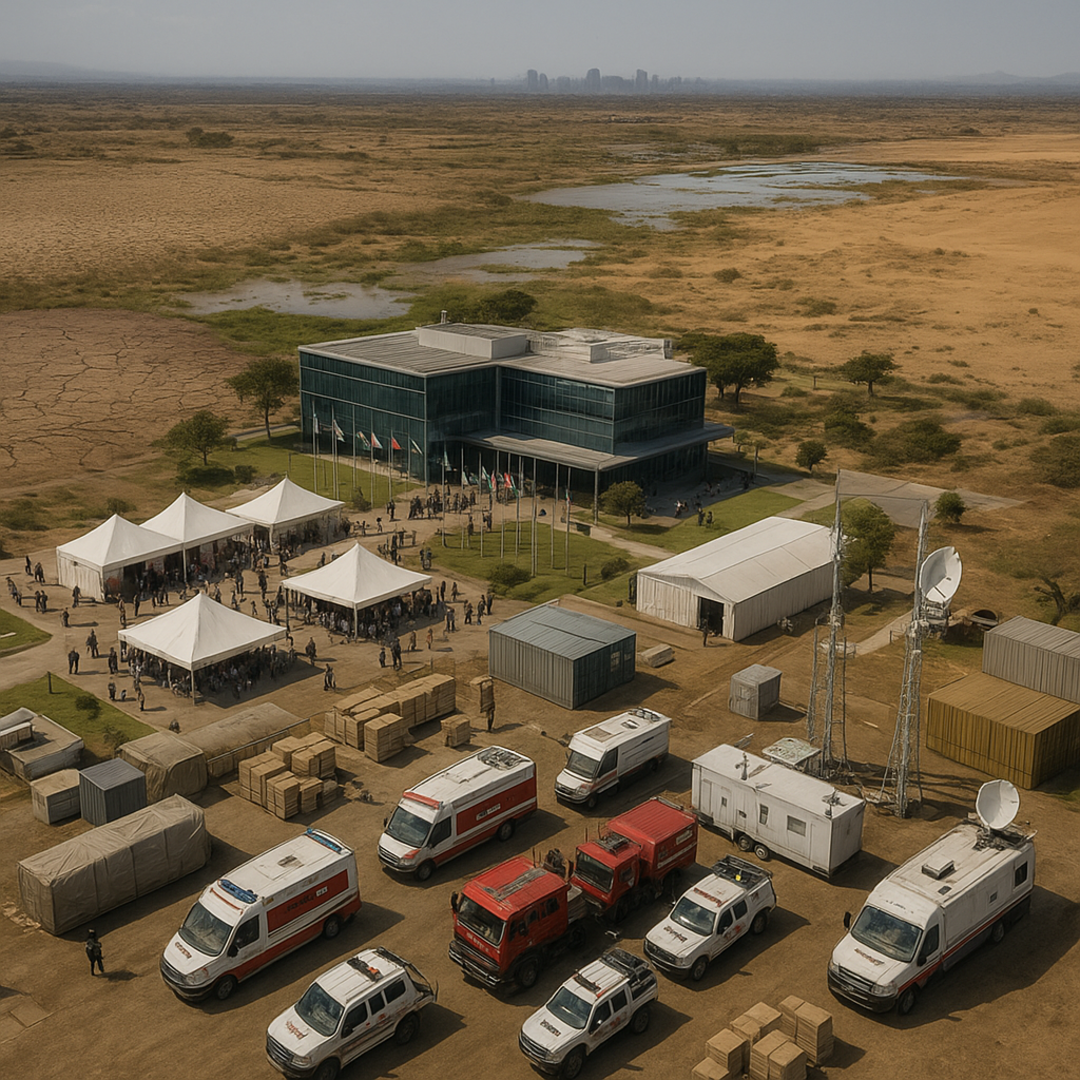
HARGEISA The Ministry of Resettlement and Humanitarian Affairs has bolstered its rapid humanitarian field operations to assist families impacted by severe downpours and gusty winds that recently affected the Hawd region, dispatching a senior-level assessment team to the most affected areas in Baligubadle district.
The on-ground operation was headed by the Ministry’s Director General, Mr. Mukhtar Abdi Jama “Baaxo”, along with the head of the National Disaster Preparedness and Food Reserve Authority (NADFOR), to directly examine the urgent humanitarian circumstances and evaluate destruction caused to civilian residences and livelihoods by the extreme weather conditions.
Based on an official statement issued today on the Ministry’s official social media platform, these combined field initiatives represent urgent governmental measures intended to enhance the effectiveness of immediate aid delivery and support vulnerable households facing significant socio-economic disruption.
Throughout the evaluation visit, officials engaged directly with impacted residents to determine their most pressing needs while thoroughly examining the multifaceted difficulties facing local populations, especially concerning the swift provision of temporary housing, sustainable food sources, and access to critical survival services.
Simultaneously, humanitarian logistics teams coordinated the prompt distribution of aid packages, containing necessary food supplies, non-essential items, and critical survival resources, in a calculated move to alleviate immediate population distress and enhance the community’s ability to manage with the devastating aftermath of the storms.
At the time of the aid distribution, senior officials highlighted the vital necessity of promoting social cohesion and reinforcing collaboration frameworks between government bodies, international aid organizations, and local community groups to improve coordinated emergency relief efforts and guarantee rapid responses to future environmental emergencies.
The Ministry of Resettlement and Humanitarian Affairs, in technical partnership with NADFOR, continues executing focused field programs to support affected populations, constituting a fundamental element of wider strategic initiatives to improve climate readiness systems and protect vulnerable rural populations against persistent seasonal calamities.
This coordinated field initiative by the Ministry of Resettlement and NADFOR demonstrates an expanding organizational dedication to forward-looking crisis handling during extreme climate variations. By strategically positioning emergency aid resources, these institutions not only address immediate risks but also fortify the fundamental socioeconomic foundations necessary to develop lasting community resilience throughout the region.